
How to Get an A* in A-level Music
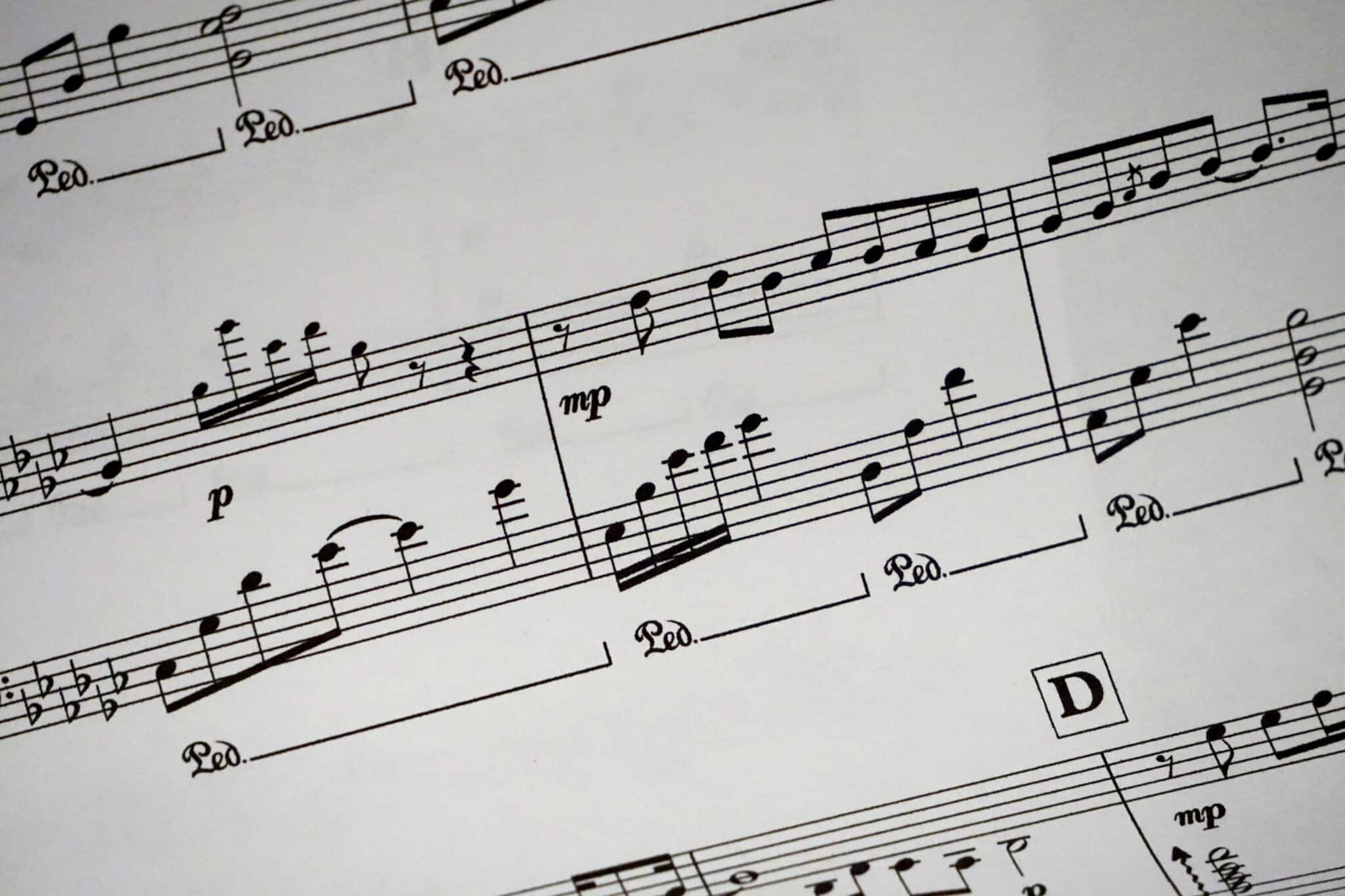
Learning how to get an A* in A-level Music begins with mindset. There is often a belief among students that the different components of the course can be unusually difficult to achieve top grades in, with A* reserved only for students with perfect pitch or extraordinary natural ability. However, this mindset is inaccurate, as an A* is instead awarded to those who understand the exam demands and prepare for it systematically. With the right strategies, consistent practice, and a strong grasp of assessment criteria, achieving an A* in A-level Music is a realistic and attainable goal.
Understanding the Structure of A-level Music
A-level Music is assessed through three components taken at the end of Year 13. Appraising Music accounts for 40 per cent of the final grade, Performance contributes 35 per cent, and Composition makes up the remaining 25 per cent. These areas are closely connected rather than separate skills. Analytical listening supports composition, while stylistic awareness strengthens both performance interpretation and written responses. Students aiming for the highest grades develop all three strands in parallel from the start of the course.
Mastering the Written Paper
A significant proportion of the written paper is based on unfamiliar material, meaning success depends on preparation rather than rote learning. Regular listening to prescribed areas of study is essential and should begin early in the course. From the outset, students should prioritise learning the contextual background and technical vocabulary associated with each area of study. This includes stylistic features, harmonic language, typical instrumentation, and conventions specific to each genre. Revisiting this knowledge consistently allows students to deploy it fluently in Section A, where unfamiliar extracts are assessed.
Dictation is often viewed as the most challenging aspect of the exam, but it improves rapidly with structured practice. Interval recognition should be trained until it becomes instinctive, using singing, familiar melodic references, and regular peer testing. Students should also look for repetition and sequences within dictation excerpts and practise working confidently in both treble and bass clef. Over time, this transforms dictation from a source of anxiety into an opportunity to secure reliable marks.
Section A rewards students who approach unfamiliar music methodically. High-scoring responses use precise terminology and integrate contextual understanding naturally. Accurate time references and coverage of a suitable range of the extract help answers sound controlled and authoritative rather than descriptive.
Securing Top Marks in Sections B and C
Section B rewards students who demonstrate deep familiarity with set works. One of the most effective strategies is memorising annotated scores. Knowing key moments, harmonic shifts, structural points, and orchestration details allows students to answer with confidence and precision under timed conditions. This preparation also enables students to discuss how extracts function within the wider structure of the work, a key feature of top-band responses.
Section C essays require the same level of preparation. High-scoring students do not improvise essays in the exam hall. Instead, they memorise detailed essay plans that can be adapted to different questions. These plans outline arguments, examples, and terminology in advance, ensuring that responses remain focused and analytical. Essays should be clearly structured, define key terms early, and consistently link points back to the question. Memorised plans reduce cognitive load in the exam and allow students to write with clarity and control.
Developing High-Scoring Compositions
Composition can feel intimidating, particularly for students who doubt their creativity. However, examiners reward structure and coherence over originality alone. A key concept in the mark scheme is the “musical journey”. Successful compositions clearly take the listener somewhere, using contrast, development, and pacing to create a sense of progression.
This journey might involve a clear build in texture and intensity, a modulation to a contrasting key, the transformation of an opening motif, or a shift in rhythmic or textural focus. For example, a minimalist-inspired piece might begin sparsely and gradually layer material, while a classical-style composition could present themes that are developed and recapitulated with variation. Planning this journey before writing ensures that the piece sounds intentional and meets examiner expectations.
Regular sketching, borrowing techniques from studied composers, and analysing model compositions all strengthen compositional fluency. Even discarded ideas contribute to musical understanding and help students refine their final submission.
Excelling in Performance
Although the final performance recording is submitted at the end of Year 13, performance skills must be developed consistently. Students should regularly perform repertoire of comparable difficulty to their final pieces, ensuring that technical challenges are fully secure. Selecting recognised examination repertoire helps meet mark scheme expectations, whilst expressive communication and stylistic awareness are built through frequent performance experience rather than last-minute practice.
Using the Mark Scheme Strategically
Understanding how marks are awarded is essential when aiming for the highest grade. Examiner reports and exemplar responses reveal patterns in top-level answers and clarify what distinguishes an A* response from a strong A. When this insight is combined with early contextual learning, memorised scores and essay plans, and a clear compositional structure, the pathway to an A* in A-level Music becomes both structured and achievable.
1. What are the main components of A-level Music and how are they weighted?
A-level Music is usually divided into three components: Appraising Music, Performance, and Composition. Appraising Music typically makes up 40% of the final grade, Performance 35%, and Composition 25%. Understanding how each part contributes to the overall mark helps students plan their A-level Music study and revision time effectively.
2. How can I prepare effectively for the A-level Music Appraising paper?
To prepare for the Appraising paper in A-level Music, students should focus on active listening, score analysis, and understanding the historical and stylistic context of set works. It’s important to practise identifying features such as modulation, texture, rhythm, and structure, and to back up observations with precise musical evidence. Regularly working through past papers and examiner reports helps develop the “critical judgement” needed for top-band answers in Appraising Music.
3. What makes a strong performance submission in A-level Music?
A strong A-level Music performance shows technical control, expressive detail, and stylistic awareness across at least ten minutes of music. Students should choose repertoire around Grade 7 level or above that they can play confidently and musically, rather than pieces that are too difficult to deliver reliably. Frequent recording, self-review, and performing in front of others all help build the consistency and stage presence examiners look for in the Performance component.
4. How should I choose repertoire for the A-level Music Performance component?
When choosing repertoire for A-level Music, students should aim for a balanced programme that showcases a range of skills, including tone, articulation, phrasing, and dynamic control. Pieces should be challenging enough to meet the expected level (around Grade 7+), but still manageable under exam conditions. Selecting music you genuinely connect with can also make practice more productive and performances more convincing.